

WHY PUMPKIN SEEDS
-

Heart Healthy
Rich in antioxidants and magnesium to support cardiovascular health
-

Mineral Rich
Excellent source of zinc, iron, and phosphorus for immune support
-

Plant Protein
Complete protein source with all essential amino acids


🌱 Origin and Traditional Use
Origin:
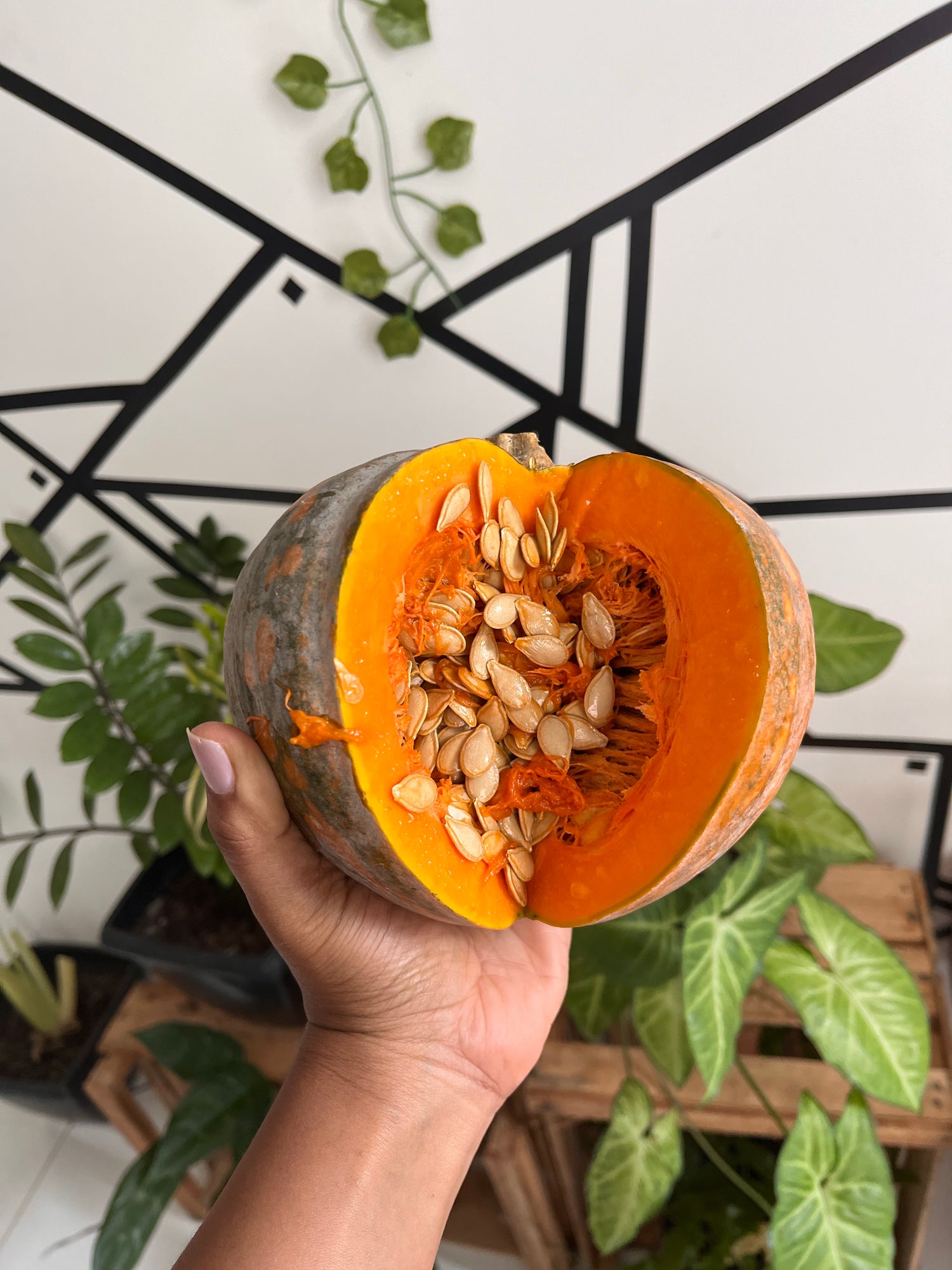
Pumpkin plants belonging to Cucurbita pepo are among the earliest domesticated food plants in human history. The earliest archaeological evidence of these pumpkins including seeds very similar to those we eat today dates back to about 7,000–10,000 B.C. in what is now Mexico and parts of the southwestern United States. These ancient remains show that Cucurbita was cultivated long before many other staple crops such as maize or beans.
Native Americans gradually developed and selected varieties over thousands of years adapting shape, size, flavor, and seed characteristics before these plants spread more widely. European exploration and trade after the 15th century carried pumpkins and their seeds to Europe, Asia, and Africa, where they became part of regional diets and traditions.
Pumpkin seeds have a specific traditional name in Mexican culture pepitas, meaning “little squash seeds” and have been an important ingredient in cooking and festive dishes there for millennia
Traditional Use:
1. Traditional Nutrition & Daily Diet
Indigenous peoples in North America — including tribes such as the Cherokee, Catawba, and Menominee — ate pumpkins and their seeds regularly as part of staple meals. The seeds were roasted, eaten whole, or used as a source of plant protein and energy during seasons when other foods were scarce.
2. Urinary and Kidney Support
Several Native American groups traditionally chewed or consumed pumpkin seeds to help support urinary health, including reducing discomfort in the urinary tract and assisting bladder function.
3. Parasite & Digestive Use
Across many cultures pumpkin seeds were used as a traditional remedy against intestinal parasites such as tapeworms. This use became so medically recognized that in the United States during the 19th century, pumpkin seed extracts were listed in official pharmacopoeias as an anthelmintic (parasite-expelling agent).
4. Folk Remedies for Swelling
Ancient medical authorities such as Galen and other Mediterranean healers applied pumpkin seed preparations to reduce swelling or inflammation in specific ailments, showing that these seeds were part of traditional herbal therapy beyond the Americas.
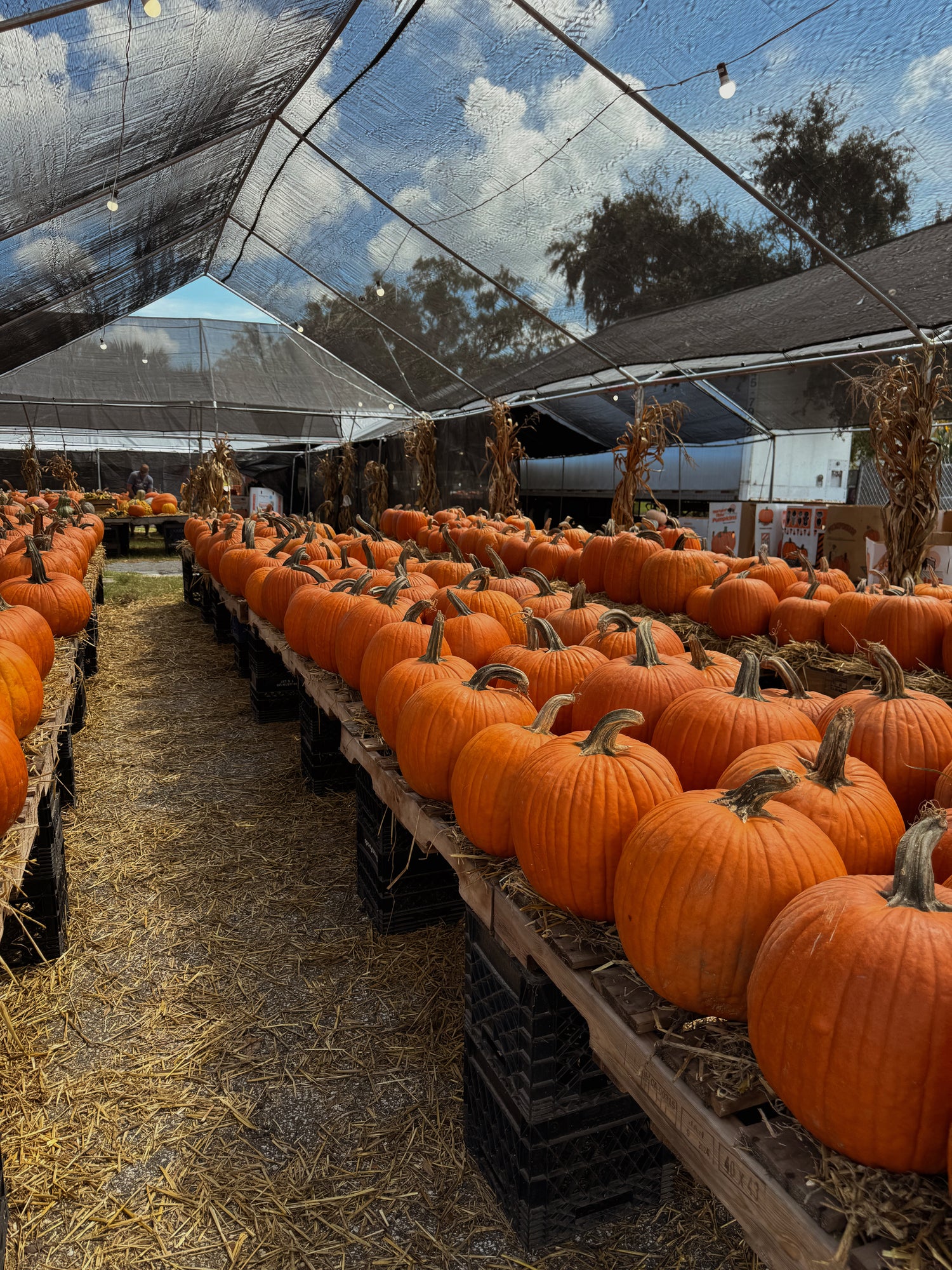
Unlocking the Strength of Pumpkin Seeds: Your Health Guide
Nutritional Highlights
Pumpkin seeds are rich in:
- Plant-based protein
- Healthy unsaturated fats
- Dietary fiber
- Magnesium, zinc, iron, phosphorus, potassium
- B-complex vitamins
- Healthy fats (omega-3 type and others)
Important Bioactive Compounds
- Phytosterols — support cholesterol balance
- Vitamin E and carotenoids — potent antioxidants
- Phenolic compounds and tocopherols — anti-inflammatory and free-radical protection
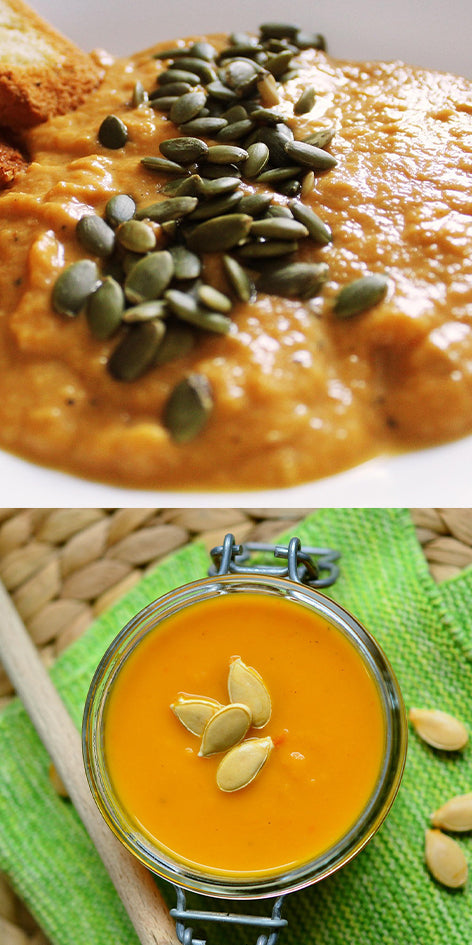
🔬 How It Works in the Body ?
1. Healthy Fats — Help Nutrients Work Better
Pumpkin seeds contain unsaturated fats, which are the “good” fats your body needs for many processes:
- They help your body absorb other nutrients that dissolve in fat (like some vitamins).
- They support cell health and help maintain balanced cholesterol levels.
- These fats also contribute to heart health by supporting healthy blood lipid metabolism.
2. Magnesium — A Mineral for Many Body Systems
Magnesium is one of the most abundant minerals in pumpkin seeds and is essential for hundreds of body reactions:
- Helps muscles relax and contract properly (important for heart and skeletal muscles).
- Supports nerve signalling so your nervous system works efficiently.
- Plays a role in energy production — turning food you eat into usable energy.
- Helps maintain steady blood pressure and supports bone strength.
Magnesium deficiency is common, so pumpkin seeds are a good source.
3. Zinc — Key for Immunity and Repair
Zinc in pumpkin seeds plays several important roles:
- Supports a strong immune system — helping your body fight infections.
- Assists in tissue repair and healing, including skin and internal tissues.
- Helps with hormone balance and reproductive health in both men and women.
Zinc works with other nutrients, like magnesium, to support energy metabolism and enzyme functions.
4. Phytosterols and Antioxidants —
Protect Cells and Support Heart Health
Pumpkin seeds contain plant compounds like phytosterols and antioxidants such as vitamin E and carotenoids. These work in the body by:
- Phytosterols: Compete with cholesterol in the gut, helping reduce how much cholesterol is absorbed into the body.
- Antioxidants: Neutralize unstable molecules (free radicals) that can damage cells and cause inflammation. This helps protect heart tissue, cells, and blood vessels.
These compounds collectively contribute to healthier blood lipid levels and better metabolic balance when seeds are included regularly in a balanced diet.

💡 Core Benefits
1. Supports Heart & Metabolic Health
Pumpkin seeds provide magnesium, antioxidants, and phytosterols that together may:
- help regulate blood pressure
- support healthy cholesterol levels
- contribute to better metabolic balance.
2. Immune and Hormone Support
Zinc and antioxidants boost immune function and help in tissue repair and hormonal balance.
3. Sleep & Mood Regulation
High magnesium and tryptophan content support relaxation and may help regulate sleep and mood.
4. Bone & Muscle Health
Minerals like magnesium and phosphorus contribute to strong bones, muscle function, and recovery.
5. Digestive Comfort
Fiber and healthy fats support digestive regularity and comfort when consumed in balanced portions.
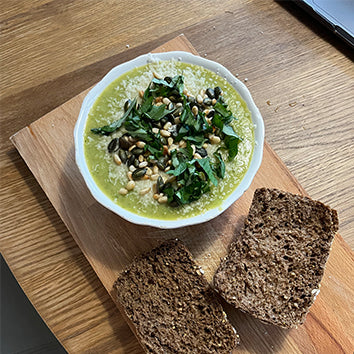
🥣 Best Ways to Consume Pumpkin Seeds
About 1–2 tablespoons (15–30 g) daily is ideal to enjoy benefits without too many calories.
When to Eat:
- With breakfast for sustained energy
- As a mid-day snack
- Before bed to support sleep
- Paired with meals to improve nutrient absorption
Preparation Tips:
- Raw or light roasting preserves most nutrients
- Add to oatmeal, yogurt, salads, smoothies
- Blend into seed butters
- Sprinkle on warm foods for texture
⚠️ Who Should Use & Who Should Avoid
Here’s a clear, science-backed overview
1. Individuals with Seed or Food Allergies
Although uncommon, some people are allergic to pumpkin seeds. Allergic responses can include itching, swelling in the mouth or throat, skin reactions, digestive discomfort, or respiratory symptoms. If there are signs of allergy, consumption should be stopped and medical advice sought.
2. People on Strict Calorie-Controlled Diets
CPumpkin seeds are nutrient-dense and calorie-dense. A small handful contains a significant number of calories because of its fats and protein. For those tracking weight loss or strict calorie intake, portion control is essential to avoid unintentional calorie surplus.
3. People with Sensitive Digestion
Because pumpkin seeds are high in fibre and fats, they can cause digestive discomfort like bloating, gas, or stomach upset in some individuals, especially if consumed in large amounts or with the shells on. Starting with smaller portions and chewing well can reduce this risk.
4. Individuals with Certain Medical Conditions
Low blood pressure: High magnesium intake from seeds may lower blood pressure further when combined with medication. Phytic acid concerns: Like many seeds, pumpkin seeds contain phytates, which may interfere modestly with zinc absorption when consumed in very large amounts.
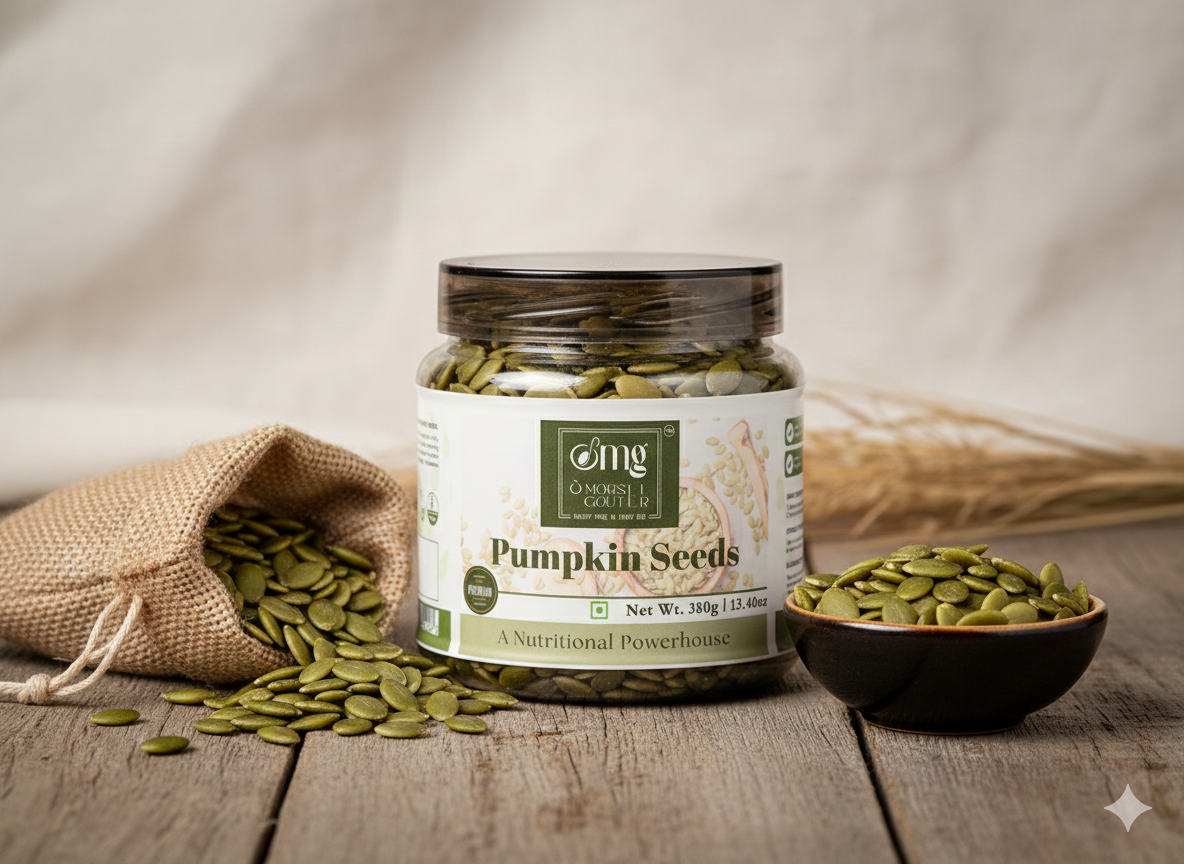
✨Why did ÒMG choose it?
ÒMorsel Goûter chose pumpkin seeds because they are exceptionally nutrient-dense, offering one of the richest natural plant sources of magnesium and zinc along with balanced healthy fats and plant protein, making them ideal for filling common modern dietary gaps in energy metabolism, immunity, and mineral balance; their combination of micronutrients, antioxidants, and healthy fats supports heart health, cellular function, and metabolic efficiency in a whole-food form that fits a health-focused lifestyle.
Pumpkin seeds are a mineral rich whole seed that supports muscular health, immunity, and metabolic balance. Their true value lies in consistent moderate consumption rather than occasional snacking.
Disclaimer
The information shared is for educational and awareness purposes only. It is not a substitute for professional medical advice, diagnosis, or treatment. Always consult a qualified healthcare provider before making health decisions or taking any medication. While we aim for accuracy, Ò MORSEL GOÛTER does not guarantee the completeness or reliability of this information and is not liable for any outcomes arising from its use.
- Choosing a selection results in a full page refresh.